
What's the difference between 1-piece and 2-piece backs?
What's the difference between 1-piece and 2-piece backs?
Is there a difference in quality, strength, and sound?
Question
Can you tell me the difference between a full back and a split back in terms of instrument quality, strength, sound, etc.
Also, is the belly a single piece?
Answer from Rhiannon
I honestly have never seen a difference in tone in 1- versus 2-piece backs and I have done plenty of comparison playing trying out hundreds of instruments over the years as a professional musician, teacher and violin shop owner.
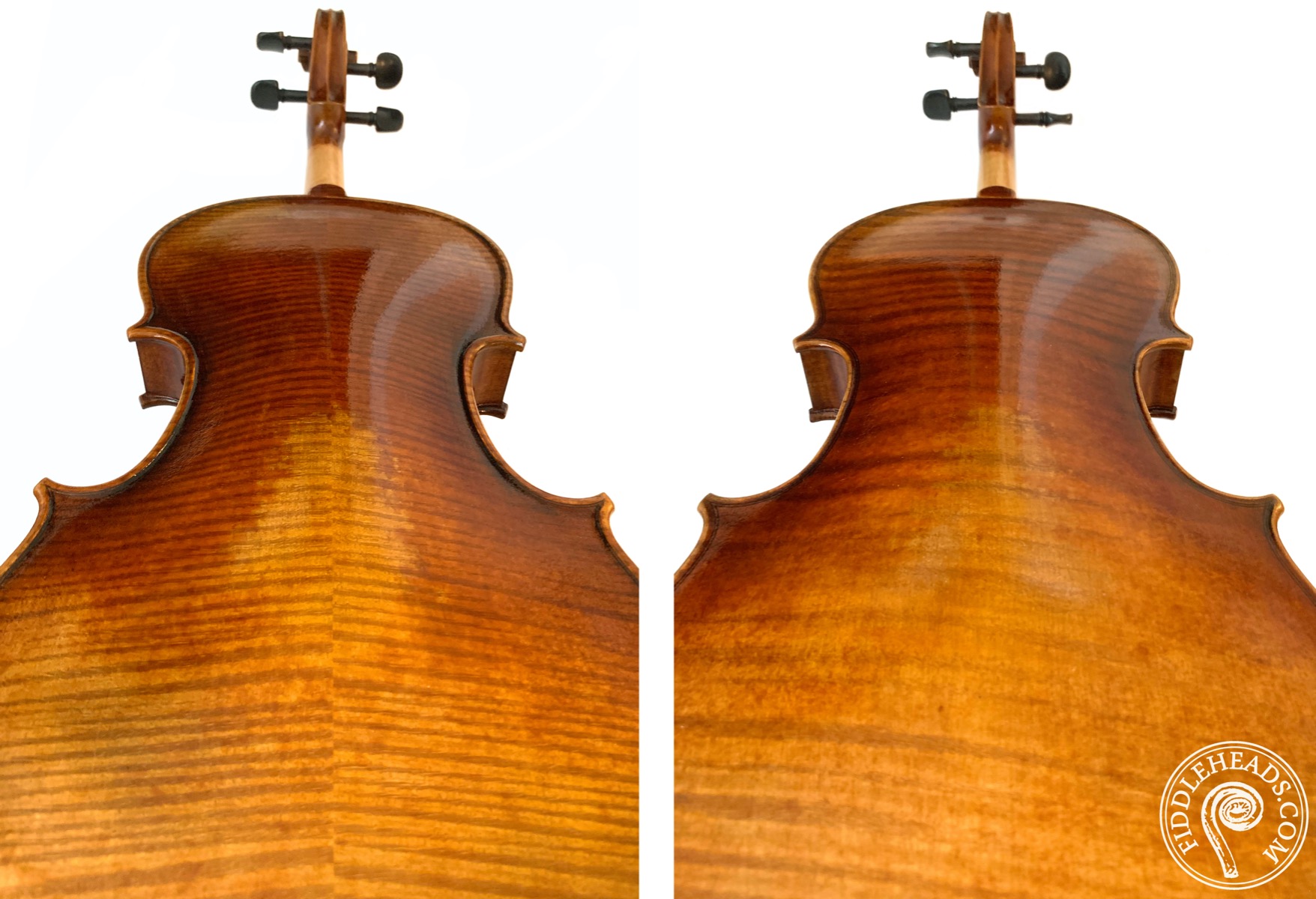
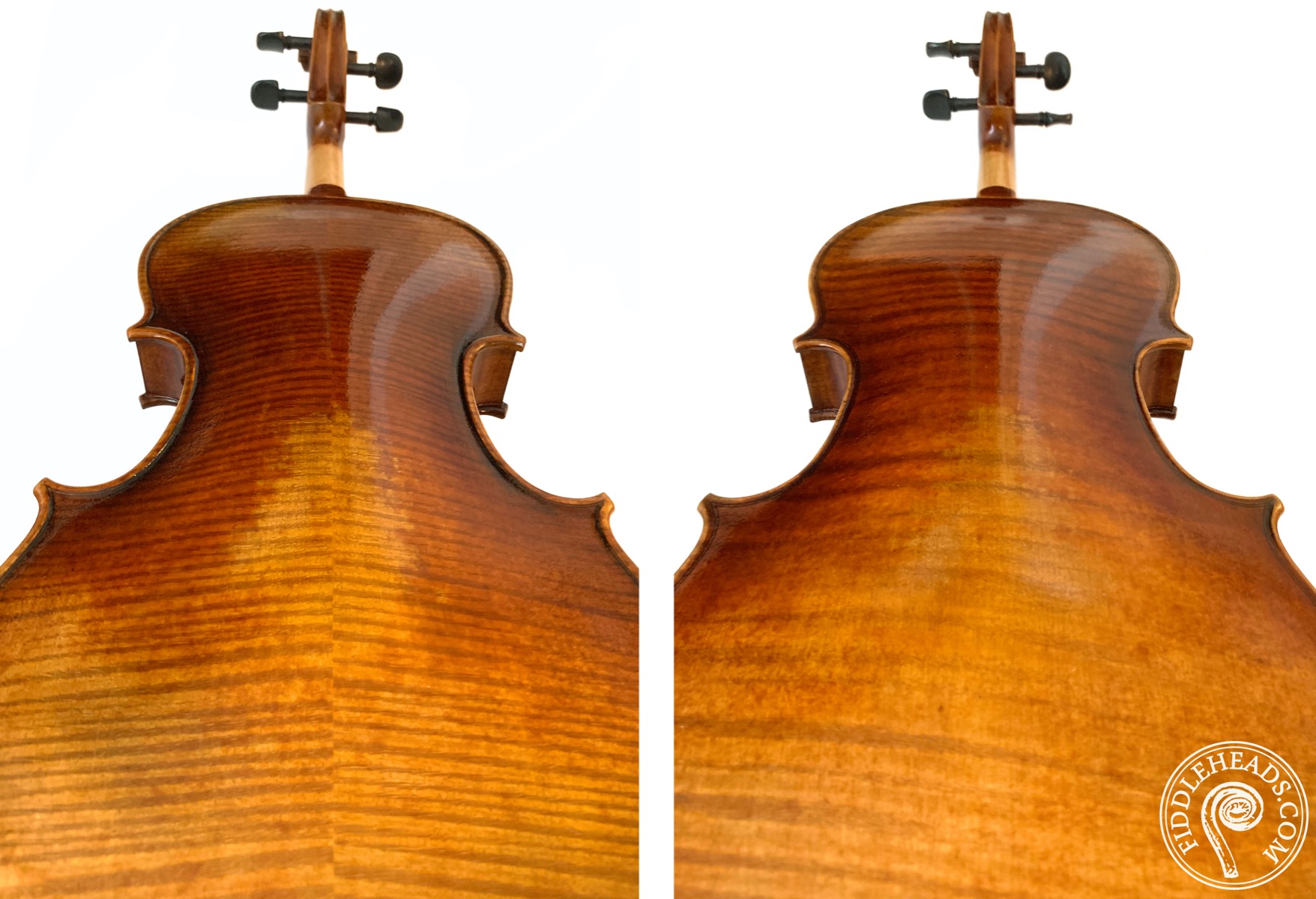
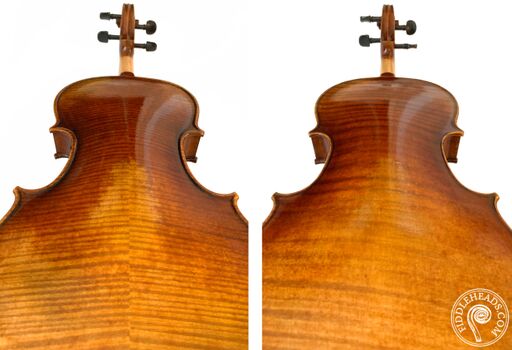
Physically-speaking on a 2-piece back the makers glue the two halves together following the grain, so it is not any different than just another line of grain down the middle of a single piece of wood. A com[uter with an harmonic analyzer *may* pick up the slightest variations in vibrations, but it would be so slight the ear couln't discern any differences.
So it's really a matter of personal aesthetic taste and will not affect your playing.
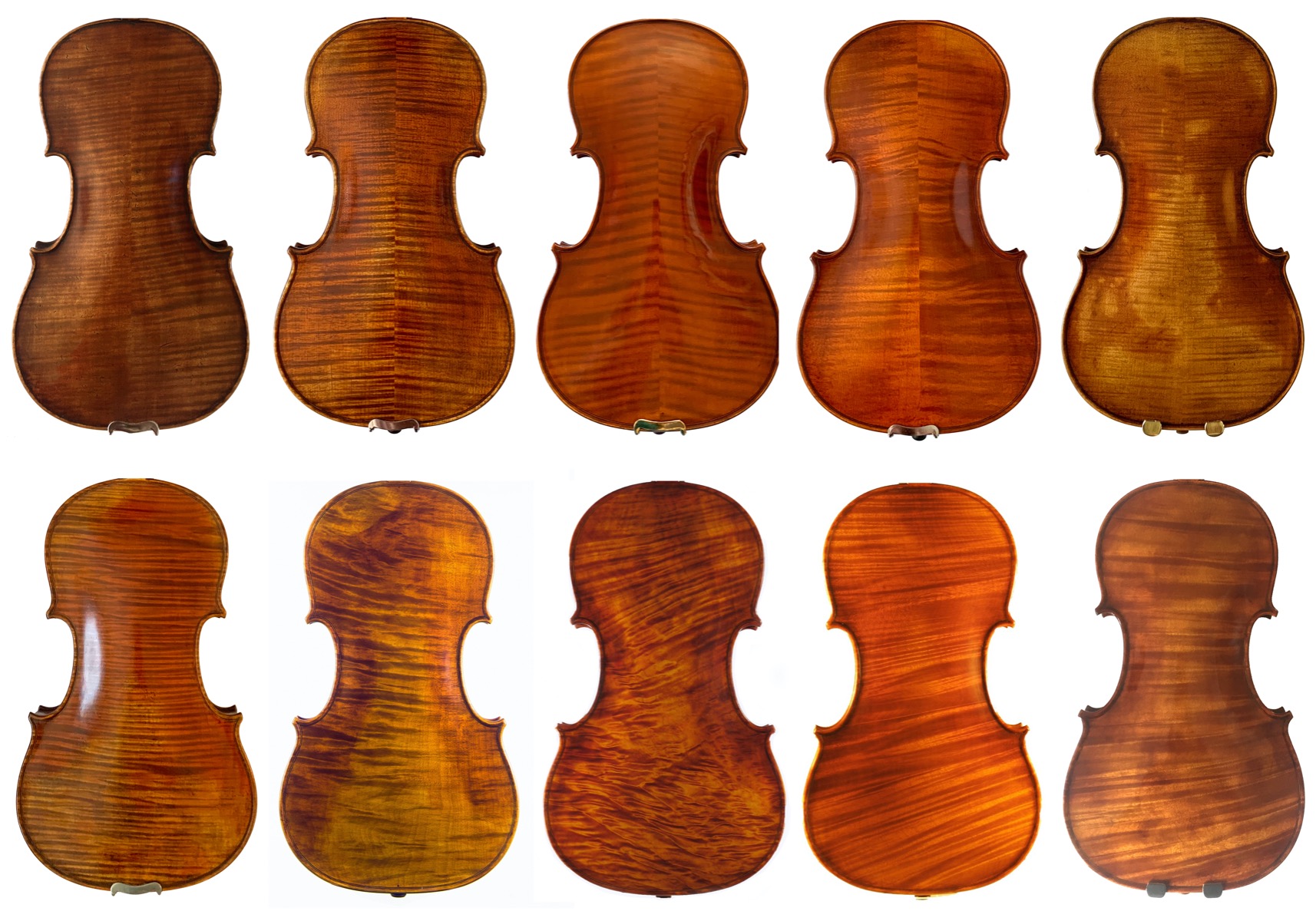
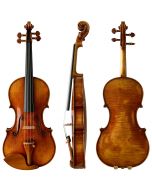
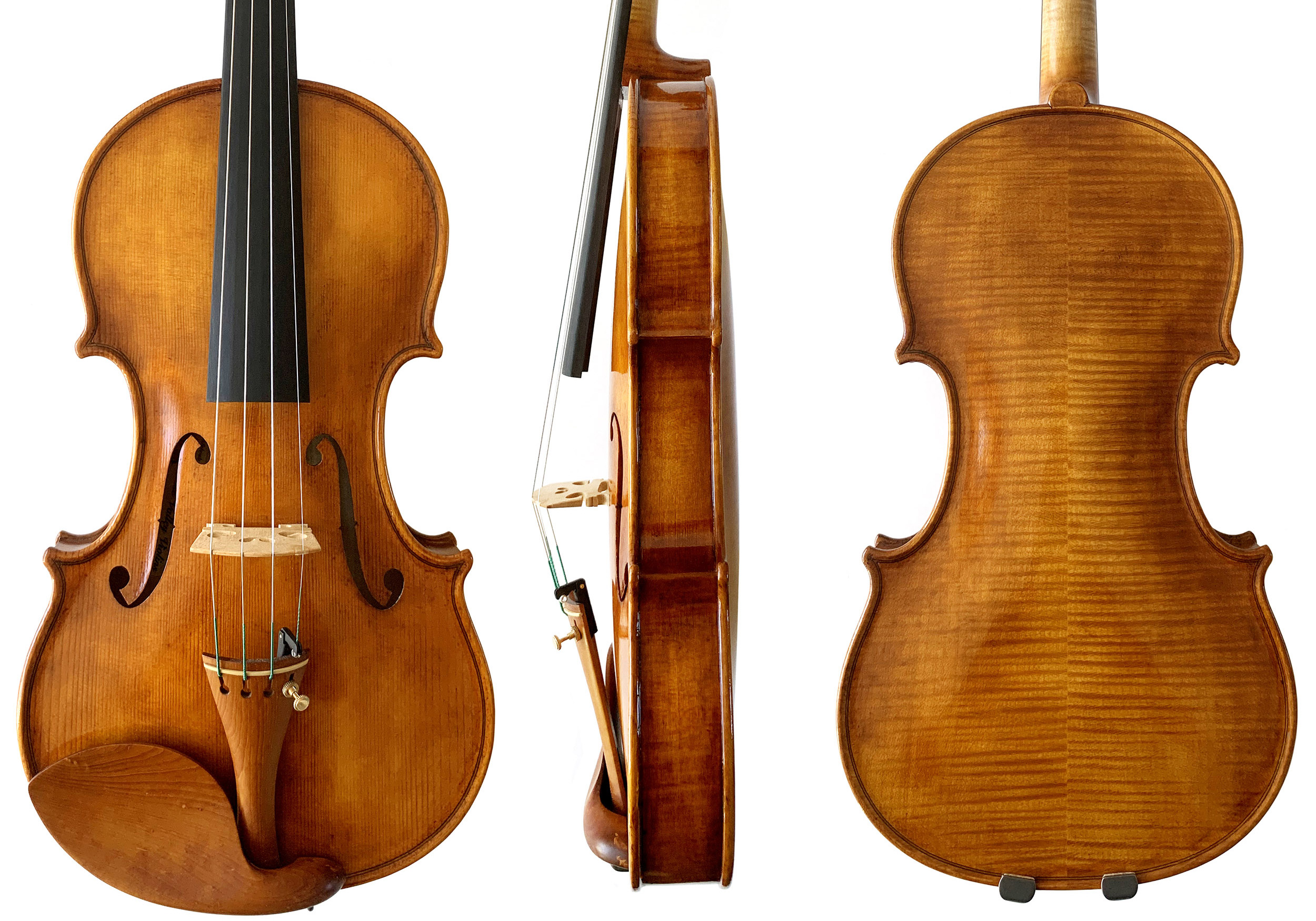
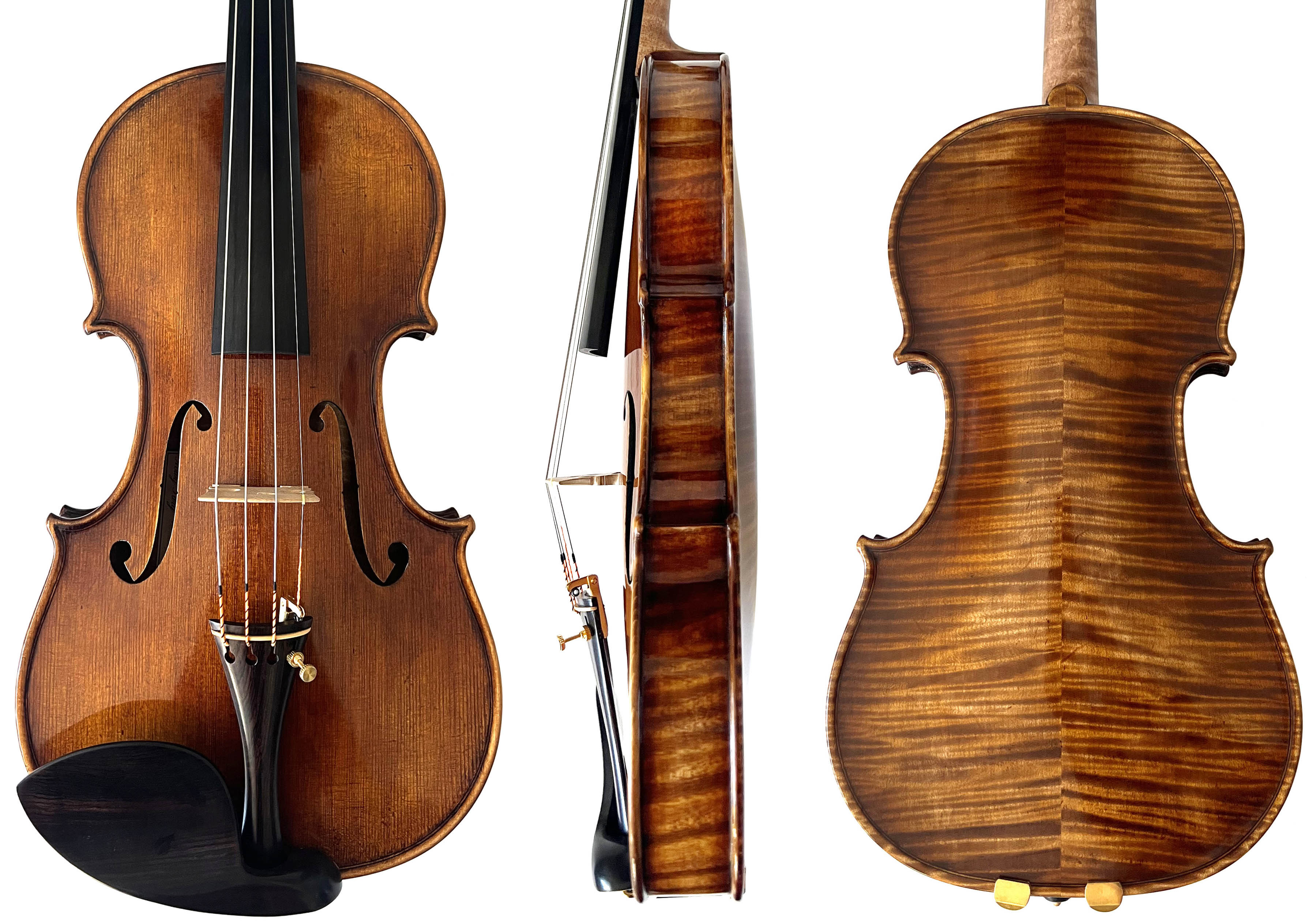
Many 2-piece backs have a "book-matched" maple back. This means the maker slices a thicker piece of tone wood down the middle and opens it like a book, thus coming out with two thinner plates to use side by side; the flames will be opposites and is very striking. It is cheaper, especially for makers who are using very expensive materials, to use one narrower yet thicker piece and book-match it rather than using one wider piece because the narrower piece of wood is easier to attain.
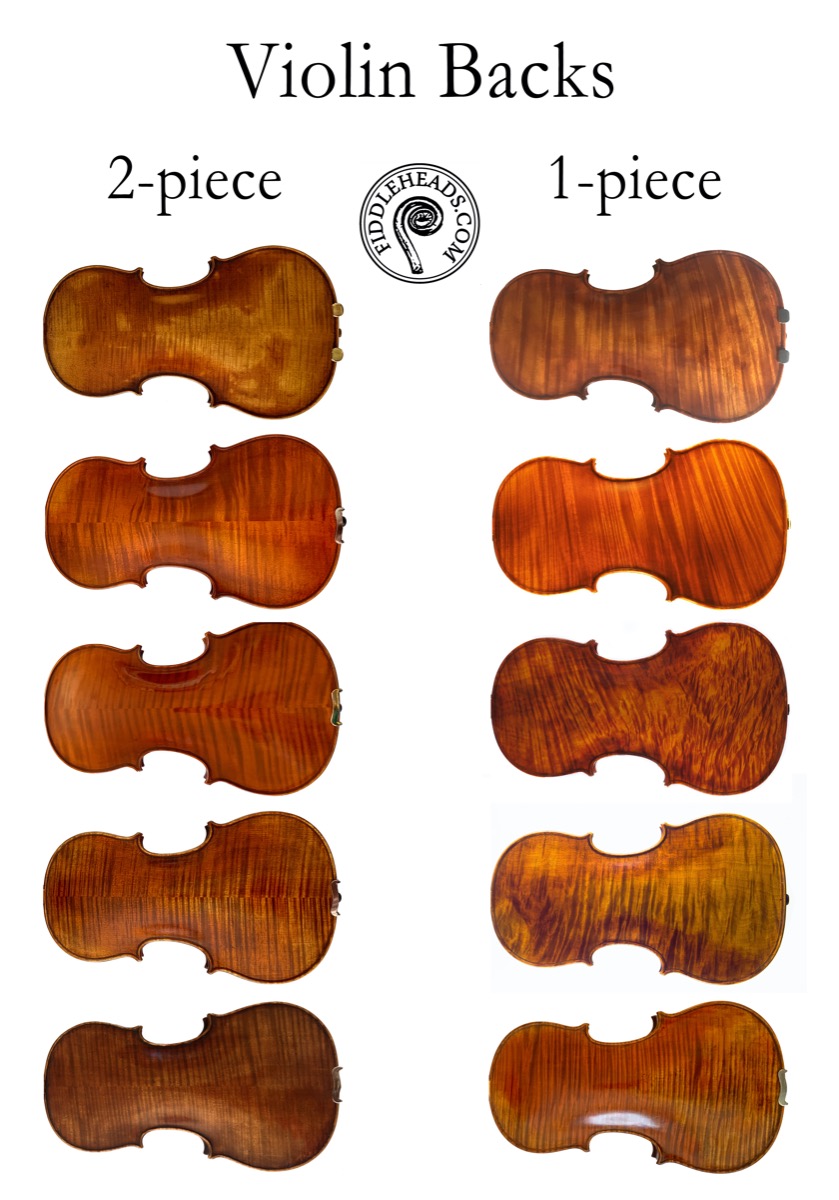
[See 2-piece instruments for sale here]
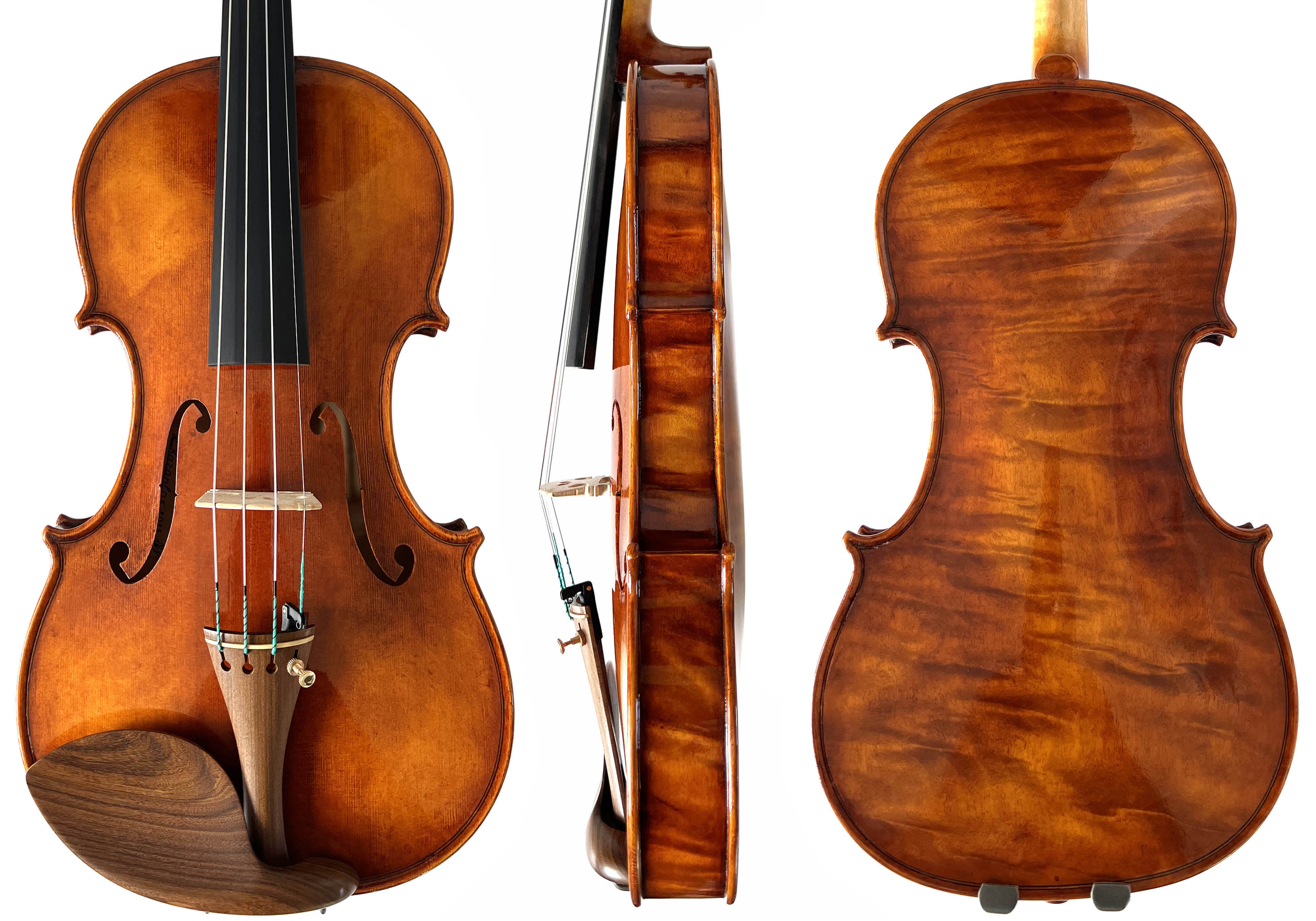
A 1-piece back is special as it came from one, large solid plate of maple and is more decadent. Thus players think a 1-piece is better, but it simply means a bigger piece of wood was used. Book-matching is not possible on a 1-piece back.
[See 1-piece instruments for sale here]
As for the top or belly, they are all made in 2-pieces from spruce (backs and ribs are almost always made from maple). The font seam is difficult to see on most violins and most people don't know it is, indeed, two pieces.
You can read more about the woods used in our violins here.
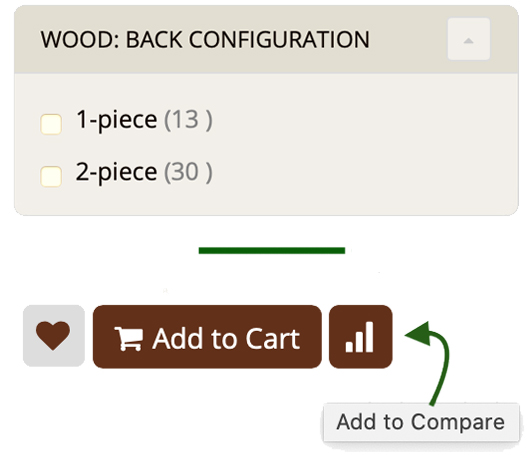 Fiddleheads makes it easy to narrow down instrument shopping by 1- and 2- piece backs
From any catalog page showing our instruments there is a left column layered navigation section. Scroll to "WOOD: BACK CONFIGURATION" and you can show only products with 1-piece or 2-piece backs by clicking on the check boxes (see top image at the left).
You can also compare instruments by selecting the terraced "Compare" icon below products in the catalog (see bottom image at the left).
All the best in your music and I hope we have earned your patronage.
 You'll likely find
-
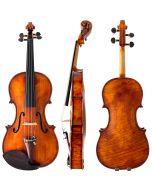 Stankov, Ivan - 4/4 Violin with Certificate (2023-1)was USD$9,000.00 Special Price USD$5,990.00
 -
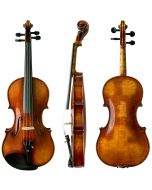 Zhu VN-903 Violin - Commissioned by Fiddleheads - Custom Setupwas USD$3,000.00 Special Price USD$1,488.00
 -
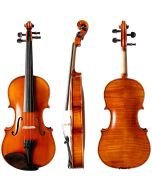 Fiddleheads Sun VN-101 Student Violin - Most Sizeswas USD$1,200.00 Special Price USD$498.00
 -
 Zhu VN-909 Violin with Certificate - Commissioned by Fiddleheads - Custom Setup - 4/4 sizewas USD$6,500.00 Special Price USD$3,048.00
-
SOLD - Rose Valley 2021-3 Image Gallery
 March 25, 2024
 -
Should I Worry About Dryness Affecting My Violin?
 February 2, 2024
 -
SOLD - Kowalski 2024-1 Guarneri "Del Gesu" Image Gallery
January 1, 2024
-
SOLD - Kowalski 2023-1 Guarneri "Carrodus" Image Gallery
 December 16, 2023
 -
SOLD - Moneff 2023-2 Image Gallery
 November 11, 2023
 -
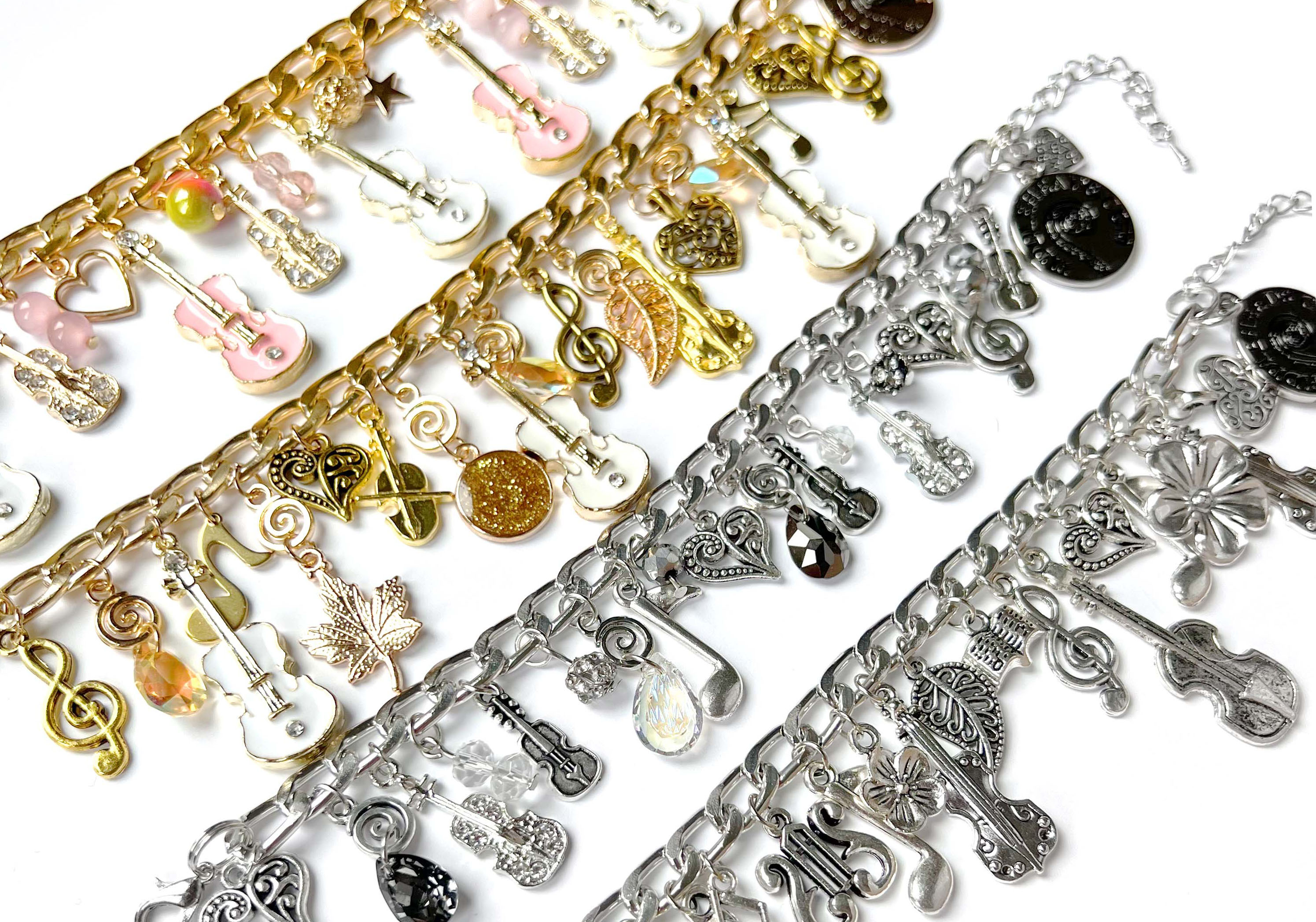
Charmed, I'm Sure
 September 22, 2023
 -
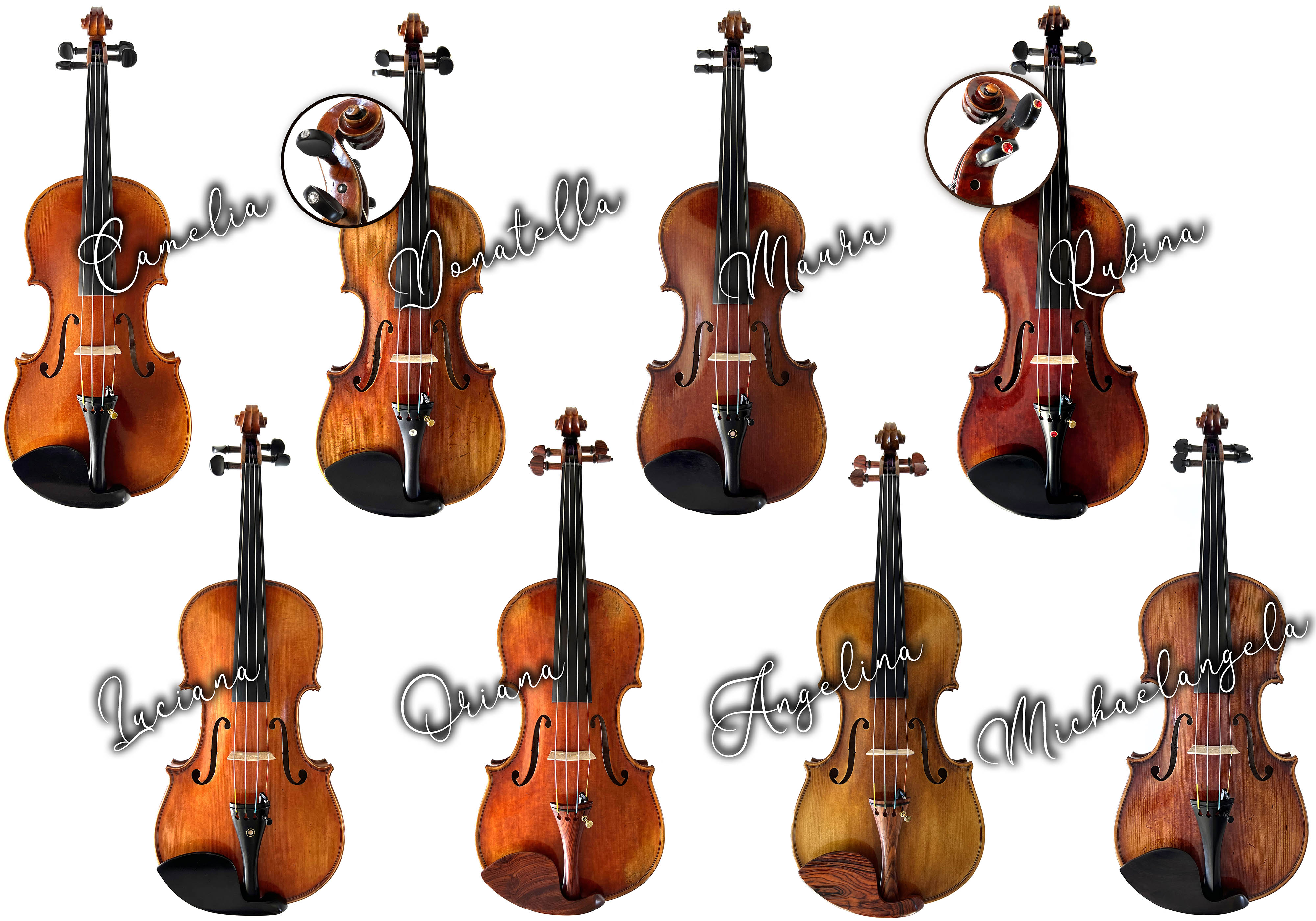
New Models Grace the Bellissima Lineup
 August 10, 2023
 -
My Customer-Focused Business Runs on RI, "Rhiannon Intelligence"
 July 27, 2023
 -
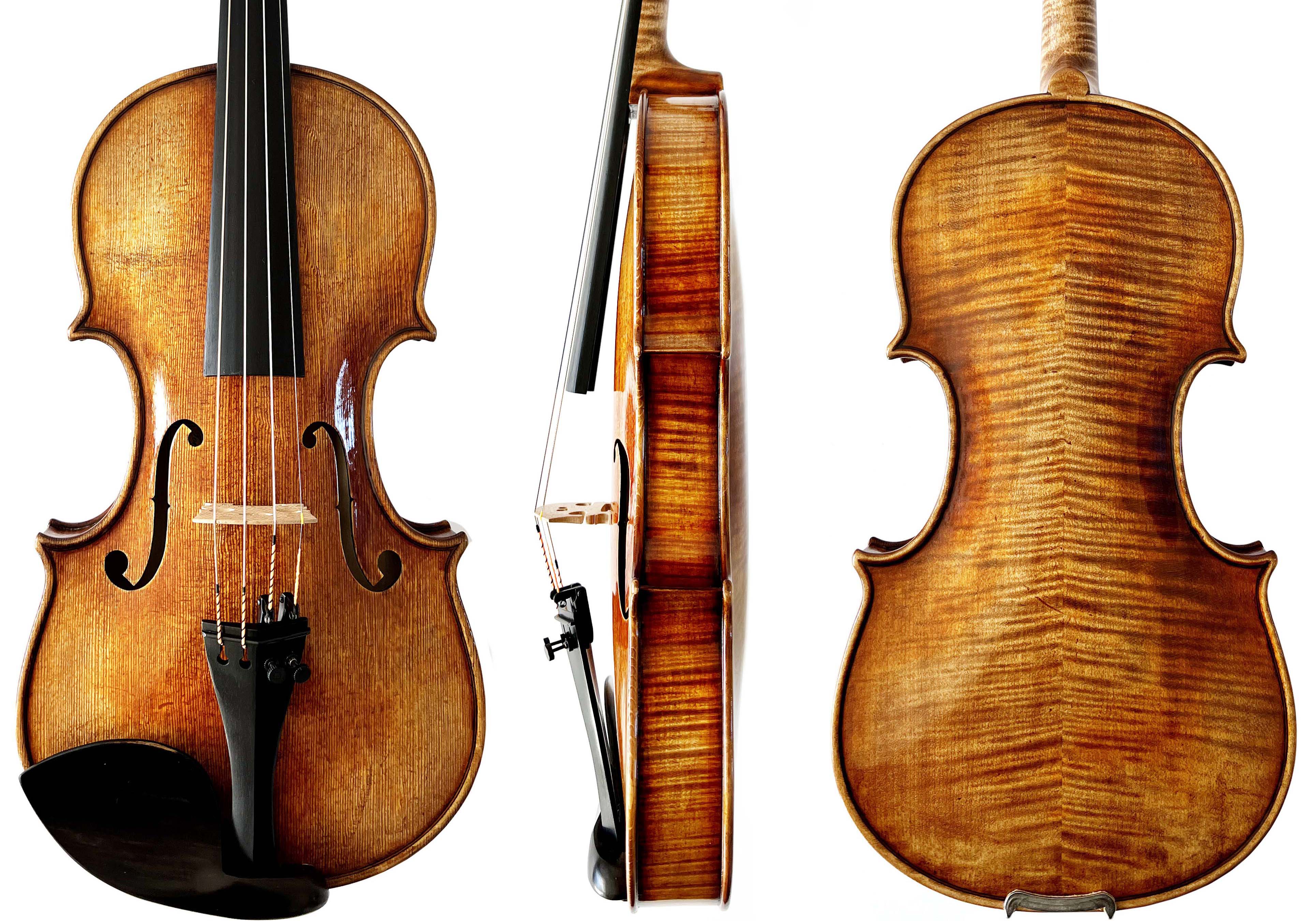
SOLD - Kowalski 2021 Goffriller Image Gallery
 July 27, 2023
 -
Mindful of the Growth and Kindness I Wish to See in Our World
 June 21, 2023
-
Match-Making: My Experience as the Violin Cupid
 July 13, 2022
 -
The Dark Side of the Violin Trade: Crooked Luthiers, Greedy Salesmen & Other Creepy Creatures Exposed
 April 16, 2021
 -
Makers & Models / Strads & Guarneris - What's the Difference?
 October 28, 2019
 -
Left-Handed Violins Explained
 April 20, 2017
 -
What's the difference between 1-piece and 2-piece backs?
 March 7, 2008
 -
Psychological Analysis of Violin Student Personality Traits 101
 April 25, 2007
 -
Breaking New Ground by Breaking-In a New Violin
 March 9, 2007
 -
Viola Players Have the Last Laugh
 January 22, 2007
 -
Busk or Bust
 July 9, 2006
 -
Forrest Gump's Red Violin
 May 21, 2006
 -
Dance of the Pawn Shop Swindlers
 March 25, 2006
 -
Violin or Fiddle? What's the Difference?
 March 5, 2002
 -
Careful with That Axe, Eugene
 March 4, 2002
-
Rhiannon's Glossary of Violin Terms
 June 10, 2020
 -
Photo Memory: Helix High School Orchestra 1995
 May 9, 2015
 -
A Classical Christmas
 December 4, 2001
 -
Can You Spot the Fiddle From the Violins?
 August 19, 2020
 -
Christmas Carol or Christmas Song?
 November 17, 2007